


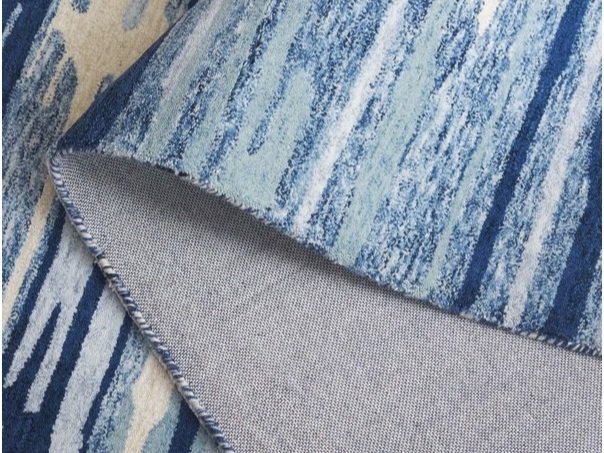
As designers, when selecting rugs for our spaces we look at the rug as an essential design element that ties a room together. But beneath the surface of the rug market lies a misleading allure of tufted rugs that many are unaware of.
The Scam of Tufted Rugs
Tufted rugs use a glue-backing construction method — punching wool strands into canvas and gluing them in place. This contrasts sharply with hand-knotted alternatives where each knot is tied by hand, creating a durable and long-lasting product.

The manufacturing process for tufted rugs is toxic and environmentally damaging, often with inadequate worker protections. Issues include excessive shedding, chemical odor, and a shortened lifespan as the glue deteriorates over time.
Retailers frequently employ "bait and switch" tactics — displaying expensive hand-knotted samples in showrooms before redirecting customers toward cheaper tufted alternatives at the point of sale.
"The images and talking points of hand-knotted rugs are being used to market a lower price point alternative, tufted."
— Ali Ghassemi, Founder, Weaver & Loom
When investing in a rug for your home or your client's space, understanding these differences is crucial. A hand-knotted rug is an investment in quality, craftsmanship, and longevity — while a tufted rug is a temporary solution that will deteriorate and end up in a landfill.
Share:
Creating Healthier Homes: Natural vs. Synthetic Rugs
Decoding the Design World: Bespoke vs. Custom Rugs