


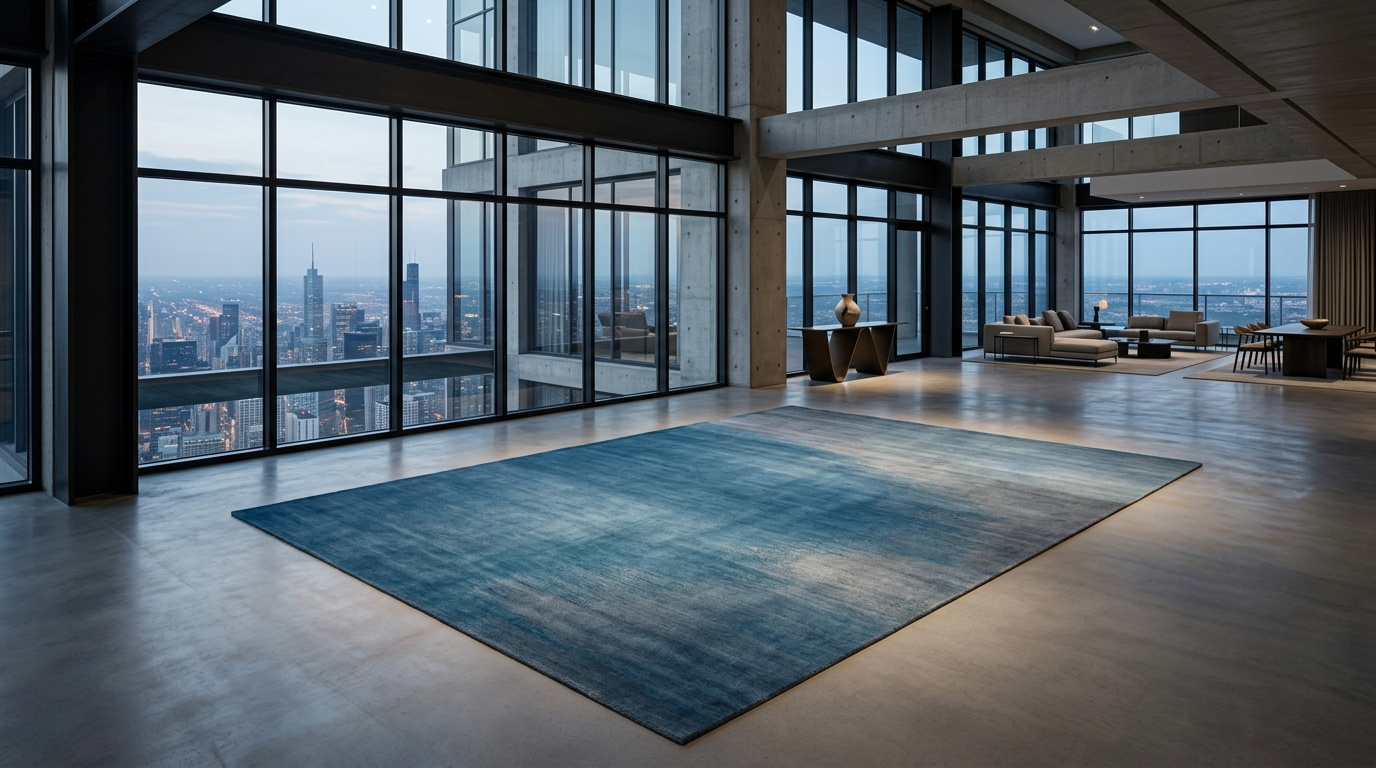
A hand-knotted rug is more than a floor covering. It is a work of art produced over months by skilled artisans who tie every knot by hand, one at a time. If you are considering your first investment-quality rug — or adding to an existing collection — this guide walks you through every factor that matters.
Hand-Knotted vs Machine-Made vs Tufted
The differences are structural, not cosmetic. A machine-made rug is produced on a power loom in hours. A tufted rug is created by punching yarn through a canvas backing, then gluing that backing in place. Neither approach produces the density, resilience, or character of a hand-knotted piece.
In a hand-knotted rug, each individual knot is tied around the warp threads by an artisan. The result is a textile with no glue, no backing fabric, and no shortcuts. The pile is locked in place by the structure of the weave itself, which is why hand-knotted rugs can last for generations — often improving with age as the wool develops a soft patina.
A hand-knotted rug has no glue, no synthetic backing, and no shortcuts. Every knot is tied by hand, which is why these rugs can last a lifetime and beyond.
Knot Count: What KPSI Tells You
Knot count is expressed as KPSI — knots per square inch. A higher KPSI means a denser weave, finer detail, and generally a longer production time. Rugs in the 80–120 KPSI range offer a beautiful balance of detail and texture. Above 150 KPSI, you enter the territory of ultra-fine work where intricate patterns emerge with photographic clarity.
That said, more knots do not automatically mean a better rug. A well-executed 100 KPSI rug with premium materials will outperform a 200 KPSI rug made from inferior yarn. Consider knot count as one factor among several, not as a single quality score.
Material Matters: Wool, Silk, and Blends
The two primary fibers in high-quality hand-knotted rugs are wool and silk. Himalayan highland wool is prized for its long staple, natural lanolin content, and remarkable durability. It resists staining, repels moisture, and maintains its structure under heavy foot traffic.
Silk adds luminosity. It catches light differently than wool, creating a subtle sheen that shifts as you move around the room. Wool-and-silk blends combine the durability of wool with the luster of silk — a practical choice for living spaces that see daily use.
Pile Height: Texture and Feel
Pile height, measured in mm, determines how a rug feels underfoot. A low pile of 6–8 mm produces a flat, tailored look suited to dining rooms and high-traffic hallways. A medium pile of 10–14 mm offers a plush feel while still being easy to maintain. Deep pile above 16 mm is luxurious but best reserved for bedrooms or low-traffic areas.
Choosing the Right Size
Size is the single most common mistake in rug buying. A rug that is too small for a room will make the space feel fragmented rather than cohesive. Here are the general guidelines:
Living rooms: An 8x10 or 9x12 rug anchors a standard seating arrangement. The front legs of all major furniture pieces should rest on the rug. For larger rooms, a 10x14 provides generous coverage.
Dining rooms: Add three feet to each side of your table. A table that seats six typically requires a 9x12 rug so that chairs remain on the rug even when pulled out.
Bedrooms: A large rug placed under the bed — extending two to three feet on each side — creates a soft landing area. Alternatively, runners along each side of the bed work well in narrower rooms.
When in doubt, go larger. A rug that is slightly too big for a space will always look better than one that is too small.
Why a Hand-Knotted Rug Is an Investment
Unlike mass-produced alternatives, a hand-knotted rug holds its value. The combination of natural materials, artisan labor, and time-intensive construction means each piece is irreplaceable. Many hand-knotted rugs appreciate over decades, particularly those with distinctive designs and superior craftsmanship.
Beyond financial value, these rugs transform a room. They introduce warmth, texture, and a sense of history that no other single piece of decor can match.
Ready to find the right piece for your space? Explore our full collection or get in touch for personalized guidance.
Share:
From Fiber to Floor: The Journey of a Hand-Knotted Rug
What 100 Knots Per Square Inch Actually Means